Bora, Mallika, Yamini Meena, and Kashish Tomer. “From Margins to Markets: Queer Cinema, Resistance and the Rise of Homonationalism and Homocapitalism in India” Femininity and Masculinity in Flux: Rethinking Fluidity, Gaze and Gender Representation in Postmodern Cinema. 2026
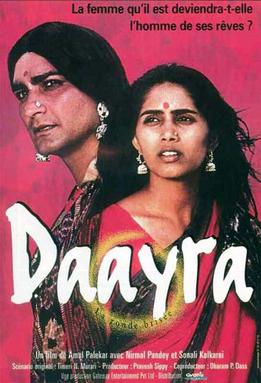
CSH is pleased to share that Yamini Meena, scientific secretary at CSH, has co-authored a book chapter entitled “From Margins to Markets: Queer Cinema, Resistance and the Rise of Homonationalism and Homocapitalism in India” in the edited volume Femininity and Masculinity in Flux: Rethinking Fluidity, Gaze and Gender Representation in Postmodern Cinema.
Abstract: Queer representation in Indian cinema and songs have undergone significant transformations over the past three decades. Deepa Mehta’s film Fire (1996) and Falguni Pathak’s Indipop music created divergent yet powerful queer effects that caught the attention of the Indian masses. Fire sparked enormous backlash, censorship debates, and ideological contestation, while opening public discourse on same-sex desire for the first time in mainstream Indian cinema. In contrast, Pathak, presented a quiet queerness and invited mass affection without overt confrontation. This divergence suggests different modes of queer presence, and cultural legibility, one threatening and subversive, the other gentle and ambiguous. Post 2000s, Indian queer visibility was increasingly shaped by neoliberal and homonormative logics. This shift is evident in recent mainstream films like Shubh Mangal Zyada Saavdhan (2020) and Badhaai Do (2022) which focuses on queer identities being integrated into the heteronormative family structures rather than exploring the complexities of queerness, desires and resistances outside the existing societal structures.
This evolution in the representation of queer communities in mass media platforms must be read in the light of intertwined yet prevalent forces of homonationalism and homocapitalism, both of which gained traction with the rise of neoliberalism and digital capitalism. “Homonationalism”, refers to the selective support of the state to LGBTQ+ rights to indicate modernity, enlightenment and progress, often folded into the Hindu nationalist ideological frameworks, while simultaneously marginalising minority communities, and aligning with upper-caste, upper-class, urban narratives. In parallel, “homocapitalism” manifests itself through the selective embracing of queer identities, which fits best with the neo-liberal ideals thereby producing LGBTQ+ individuals as marketable commodities and consumer driven subjects.
Against the backdrop of homonationalism and homocapitalism, this paper will argue that cinema and popular music, as products of socio-political contexts, transform with society, and at times, transform society in return. Further, it will investigate whether post-decriminalisation, queer media in India continues to challenge heteronormative, class and casteist structures, or whether it has entangled with the forces that have diluted its radical promise of alternate futures. In order to do this, moving beyond the surface representation, the study will question- “whose queerness is being represented”, “for whom” and “how radical are the means to break the oppressive structures of the society” for greater liberation through its representation via a call for critical queer cinemas in mass media.
The book is available on Amazon.